

Behavior Change in Wearables
⌚📊 Wearables change behavior. But not by magic.
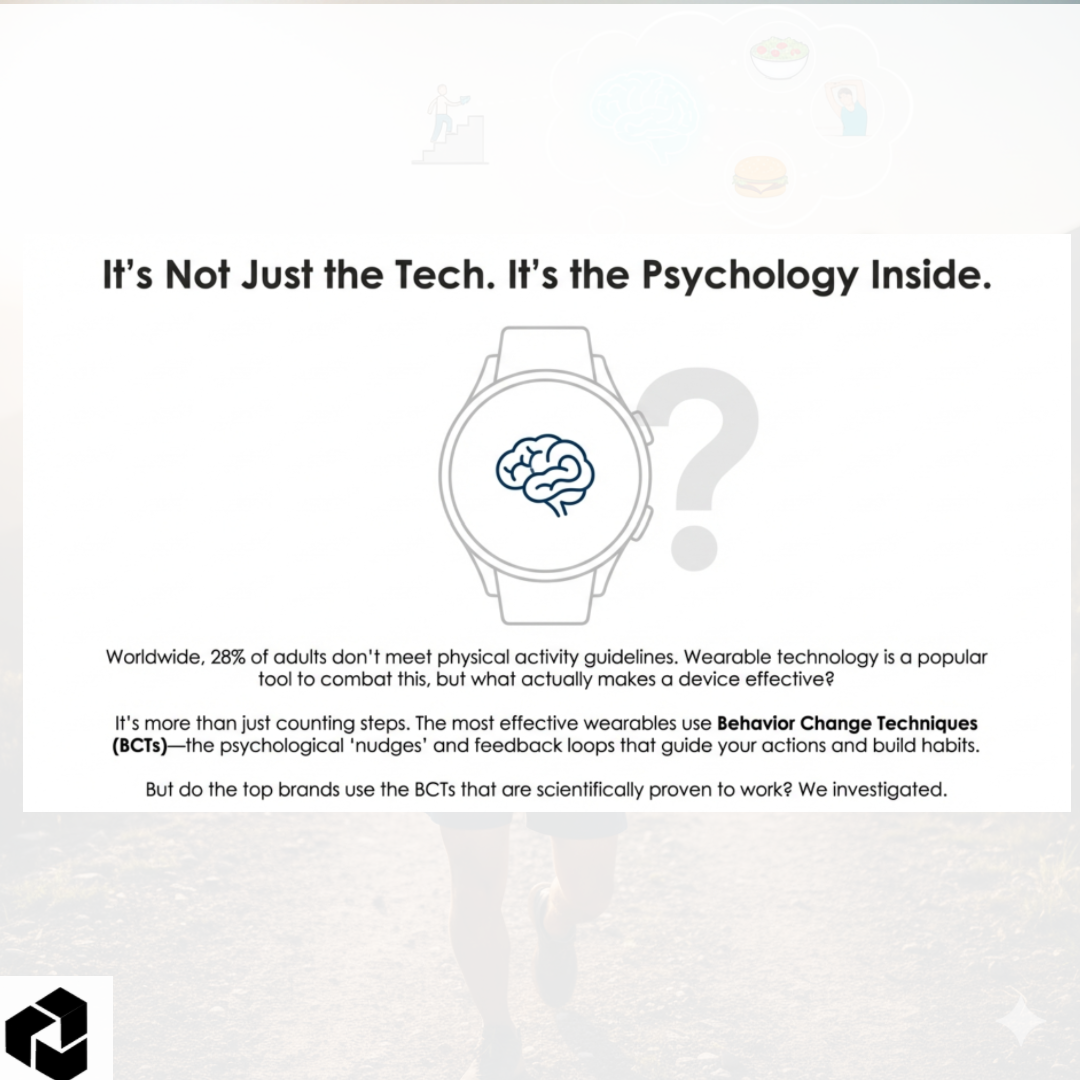
Why do some smartwatches actually increase physical activity while others do not?
👉 Because of behavior change techniques (BCTs).
Our content analysis of leading wrist-worn wearables shows:
✅ Devices systematically embed evidence-based BCTs such as goal setting, self-monitoring, feedback, and social comparison
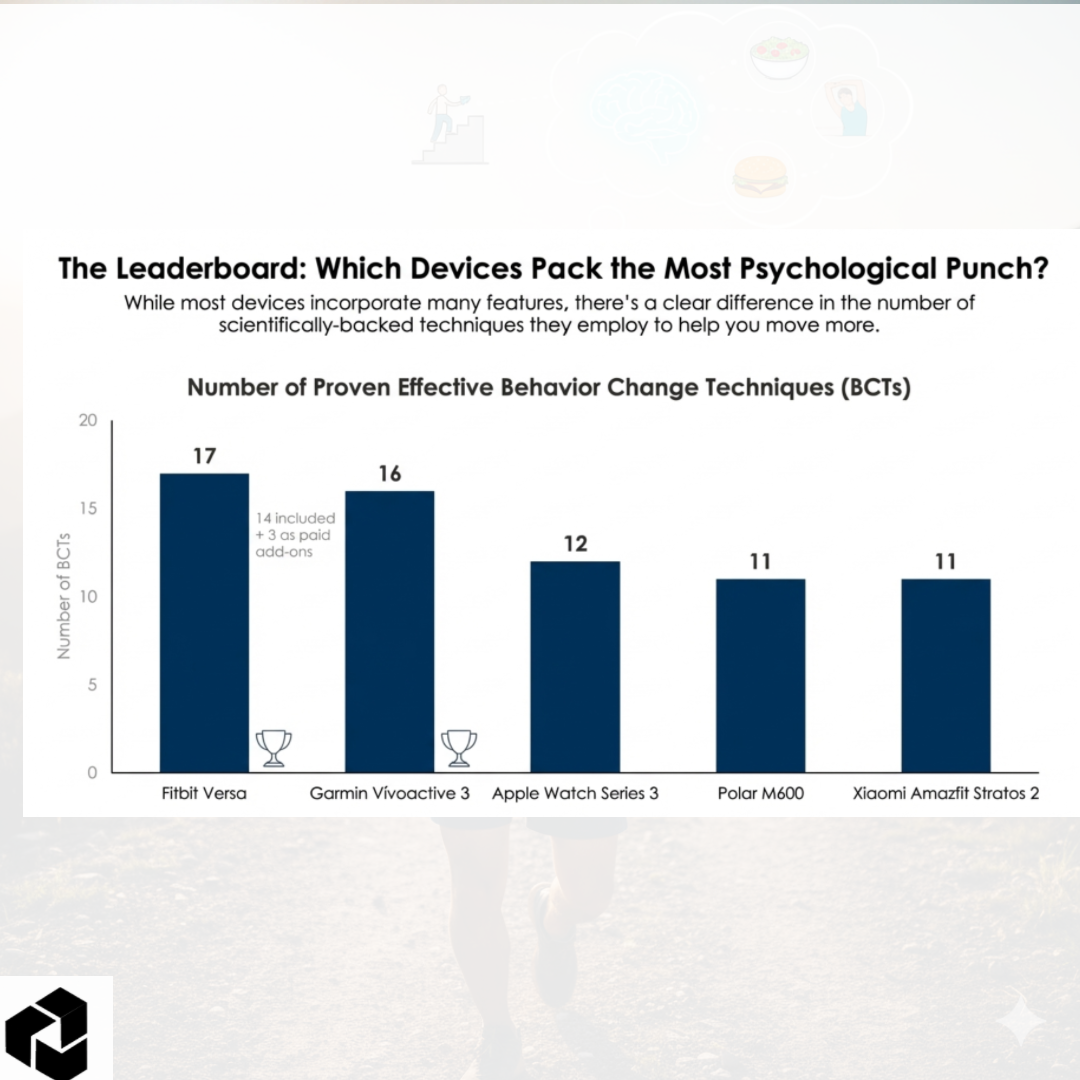
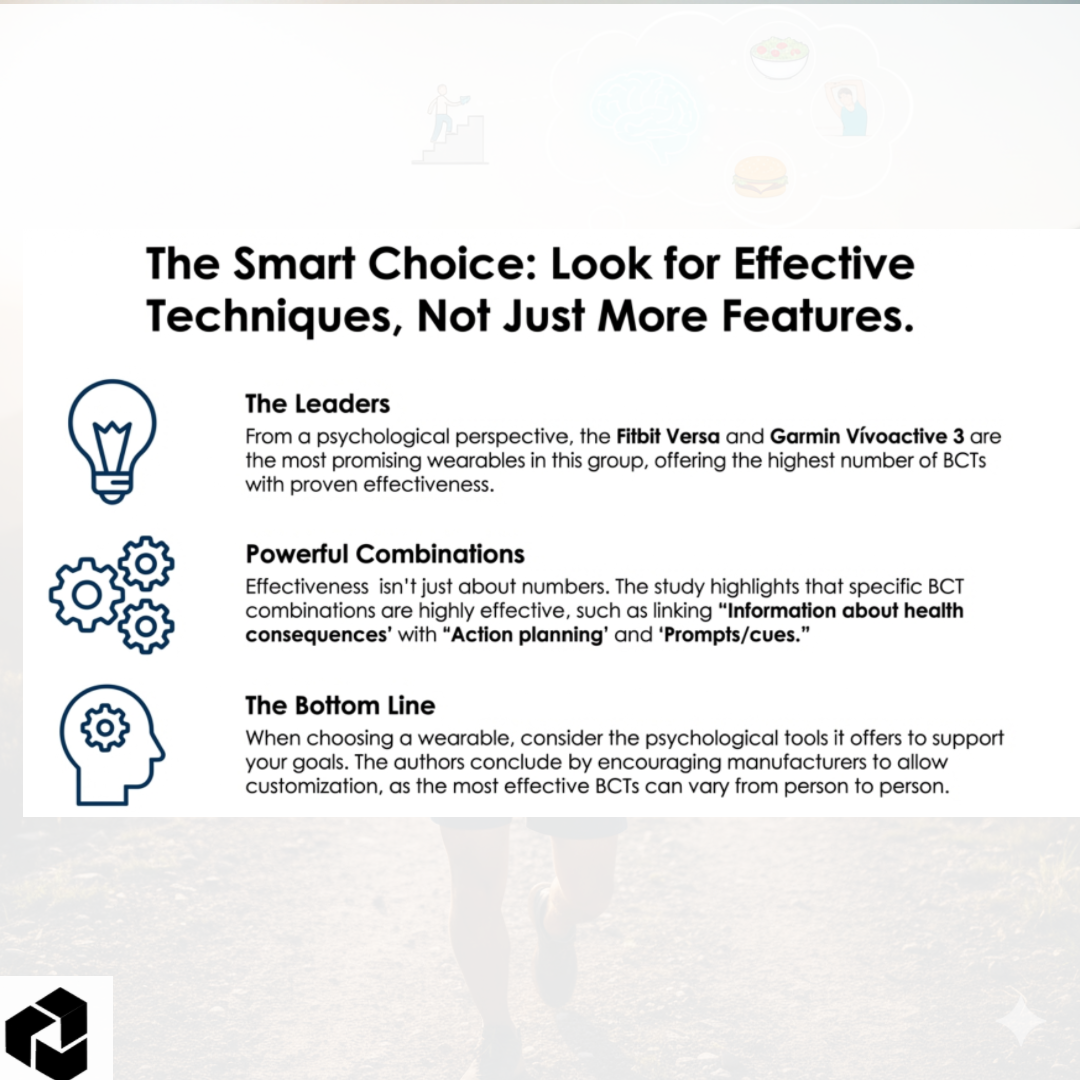
❌ Not all wearables are equal. The number and combination of effective BCTs differ substantially
📉 More features are not automatically better. Information overload can undermine behavior change
Key takeaway:
Wearables are not just sensors. They are behavioral interventions.
Their effectiveness depends on which psychological mechanisms they implement and how they are tailored to users.
🔬 For researchers: We need wearable-specific taxonomies for behavior change.
🏭 For manufacturers: Customization beats one-size-fits-all.
🏃♀️ For users: Choose devices based on behavioral logic, not marketing claims.
Evidence matters. Also in wearables.